Crossing Latinidades: Climate and Environmental Justice
Summary
In US cities, regions, and territories, low-income Latina/o populations often reside in communities sensitive to pollution and climate change events such as droughts, extreme heat, and wildfires. Public policy can often trigger these inequities by forcing people to live in precarious and underserved communities with limited access to resilient infrastructure, services, and opportunities. However, even though climate change disproportionately impacts and displaces Latino communities, there is sparse research within Latino Studies on how these experiences threaten their health, safety, and neighborhood well-being.
The overarching research question of the Climate and Environmental Justice working group is: How do Latino communities experience, cope, and contest the disparate impacts of pollution and extreme climate change events? To further support this inquiry, we ask:
- How does climate change exacerbate the current inequities experienced by vulnerable Latino communities?
- How does climate change reveal common concerns and create opportunities across geographically and contextually diverse Latino communities?
- How can researchers more effectively work with local communities?
Our working group is composed of faculty and student fellows from the University of Illinois Chicago, the University of California Irvine, and the University of Texas Arlington. Specifically, our group reveals how Latino communities confront environmental injustices and adapt to extreme climate events. The four regions studied include Chicago, the Dallas-Fort Worth Metroplex, Puerto Rico, and migrant urban/rural communities throughout California. This project expands research on the intersection of Latino Studies, environmental justice, and climate change.
This project is supported by the Crossing Latinidades Humanities Research Initiative, which ignites cross-institutional and cross-regional comparative research, training of doctoral students, and new scholarship in emerging areas of inquiry about Latina/os. Funded by a grant from the Andrew W. Mellon Foundation, the initiative serves as the anchor of the Alliance of Hispanic Serving Research Universities, a consortium of R1 Hispanic Serving Institutions.
Themes Across Projects
1) Latino Studies: Towards Transdisciplinary Climate Research and Methods
- Convergence Research/Community-Engaged Research
- Humanities – Storytelling and Public Memory
- Art Practice
2) People-Centered Approaches to Climate Change
- Environmental Racism and Inequities
- Local Knowledge Production and Rhetorical Analysis of Scientific Discourse
- Community Asset Building and Place-Keeping
- Mutual Aid
- Advocacy and Self-Determination
3) Emerging Intersections of Environmental and Social Justice and Climate Change
- Impacts across Geographically and Contextually Diverse Latina/o Communities
- Mental and Community Health
- Displacements
- Labor
Research Projects
Disparate Disaster Impacts on Undocumented Migrants
This project investigates how extreme climate events (i.e., wildfires, heatwaves, and droughts) worsen inequalities faced by undocumented Latino/a and Indigenous migrants in California, who are especially vulnerable due to poverty, language barriers, and deportation fears. Using oral histories, archival research, and ArcGIS StoryMaps, it documents migrant experiences and visualizes climate impacts to inform policy. Partnering with groups like North Bay Jobs with Justice, the project also analyzes emergency plans and interviews officials, employers, advocates, and workers to evaluate migrant inclusion in disaster planning.
Climate Justice, Sustainability, and the Informal City
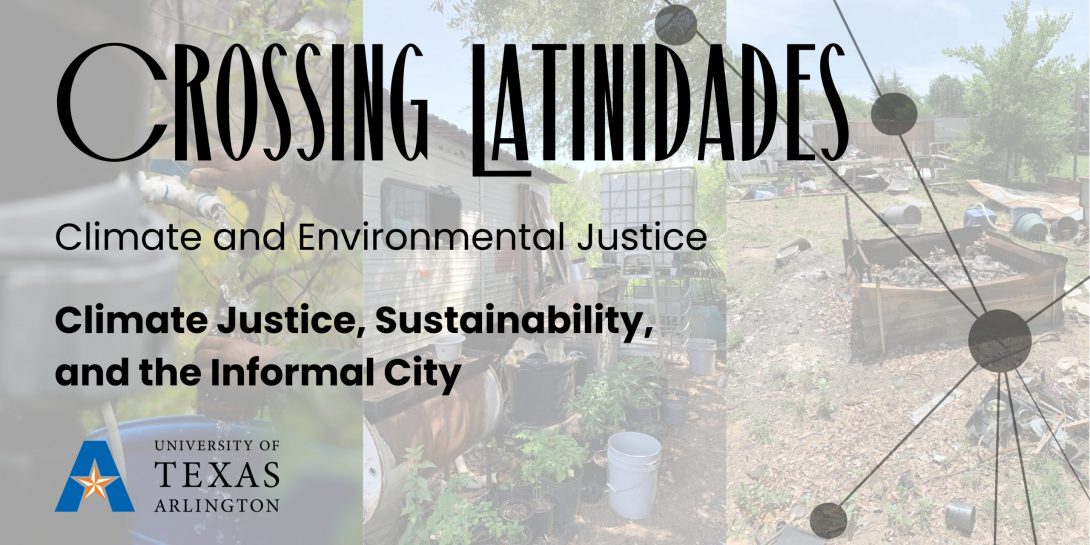
The Springville Environmental and Climate Justice Project, led by Dr. Ariadna Reyes and her team, examines severe environmental inequities in Springville, an unincorporated African American and Latinx community lacking basic services and relying on contaminated water. Using participatory action research, spatial analysis, surveys, interviews, oral histories, and photovoice, the project documents residents’ lived experiences. Supported by a Crossing Latinidades grant, the team partners with local activists, shares findings through community events like Juneteenth, and advocates for equitable, community-driven policy change.
Chicago Latinx Voices on Environmental & Climate Change Racism
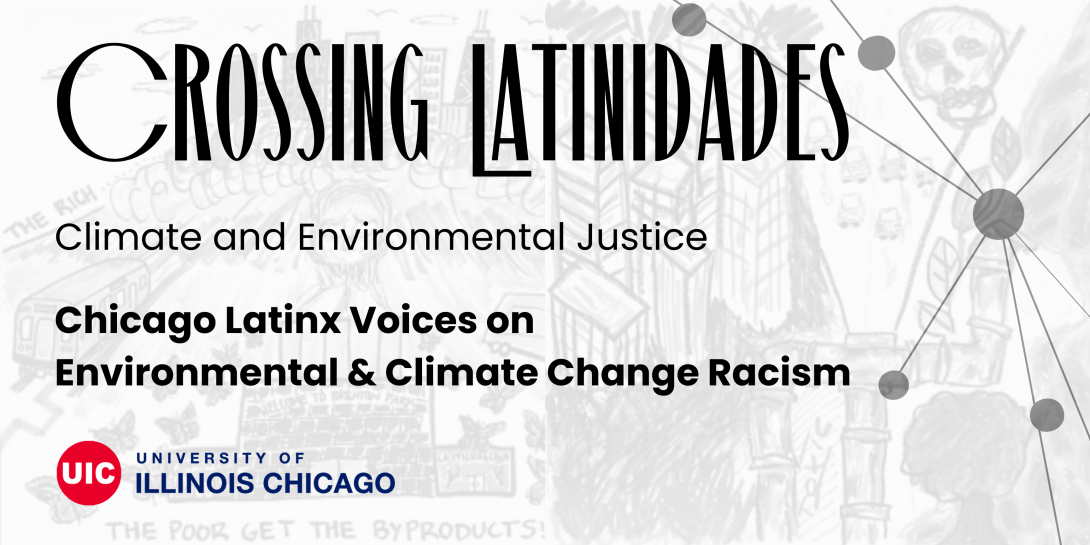
The Chicago Latinx Voices on Environmental & Climate Change Racism study examines how Latinx communities in Chicago and nearby areas experience and respond to environmental injustices, including pollution and extreme climate events. Using mixed methods – visual ethnography, participant observation, and surveys, the team collected 63 personal maps and stories across seven sessions. Findings center on three themes: linking environmental and social justice, identifying polluters and demanding accountability, and placekeeping through cultural assets. The project was conducted with the UIC Latino Cultural Center and key community partners.
Experiences of Slow Violence along the Chicago Sanitary and Ship Canal
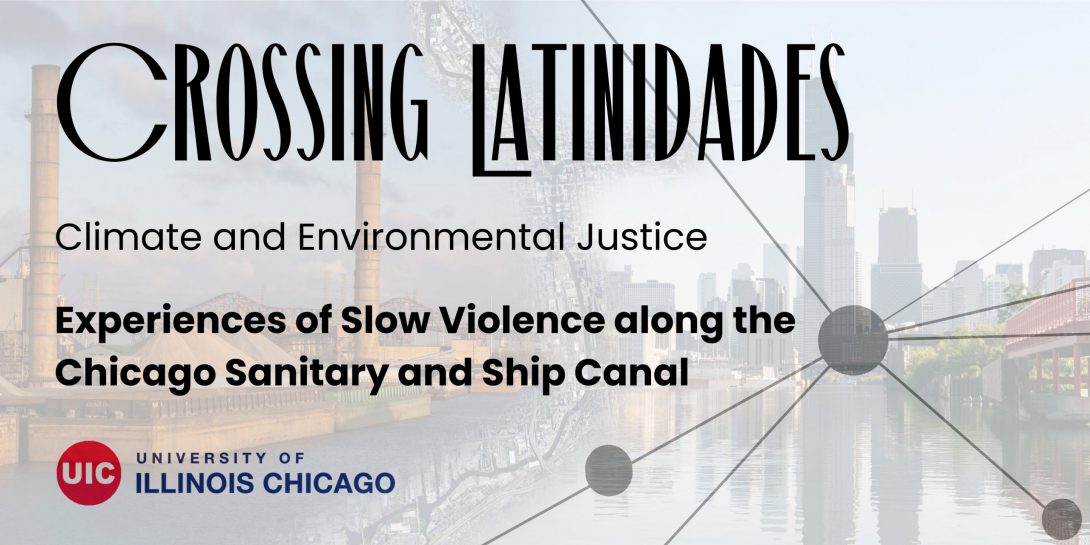
Rob Nixon’s concept of slow violence describes gradual, accumulating harm that disproportionately affects marginalized communities and often goes unnoticed. The Chicago Sanitary and Ship Canal exemplifies this through its history of industrial pollution, shifting from meatpacking to coal plants to today’s diesel-intensive logistics industry. Nearby Latino neighborhoods face flooding, warehouse expansion, and green gentrification. This project documents past and present canal activities and their environmental impacts, working with Latino environmental justice leaders to examine history, policy, and future possibilities.
Crossing Humboldt Park and Puerto Rico
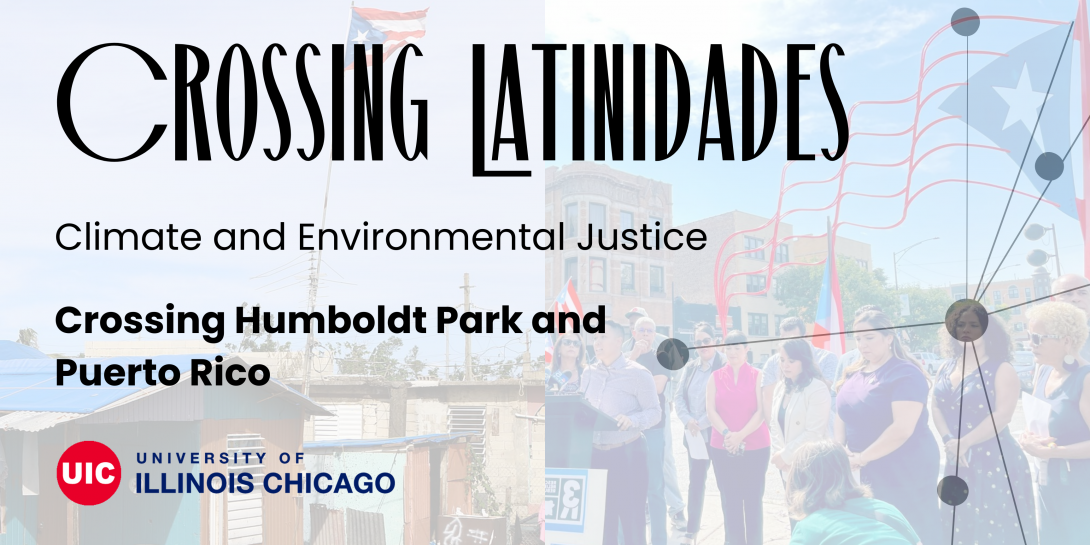
Dr. Ralph Cintron has explored climate change through his work in Puerto Rico and Chicago’s Humboldt Park, a center of Puerto Rican community life. Influenced by Caribbean “archipelagic thinking,” he examines how climate issues connect the islands and the diaspora. After Hurricanes Irma and Maria, Humboldt Park leaders prioritized climate action, securing major federal funding, including a $25 million DOE grant for the CROCUS project. Cintron documents scientists’ work, community engagement, and emerging climate findings, including data from Puerto Rico.
Video
People
Director of the Great Cities Institute (GCI) and Professor of Urban Planning and Policy at the University of Illinois Chicago
Assistant Professor of Environmental Policy and Planning at the University of California, Irvine
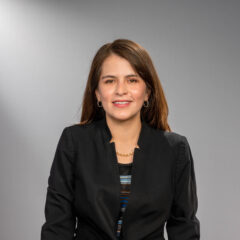
Assistant Professor of Public Affairs and Planning at the University of Texas at Arlington
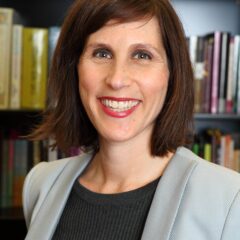
Professor in the Department of English at the University of Illinois Chicago and Director of the UIC Freshwater Lab
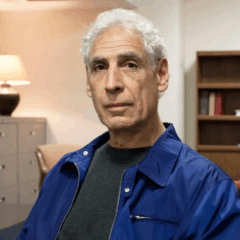
Professor Emeritus of English and Latin American and Latino Studies at the University of Illinois Chicago
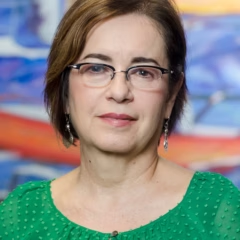
Executive Director of the Rafael Cintrón Ortiz Latino Cultural Center at the University of Illinois Chicago